Menu
Let’s Talk
Reading Now: Create an Online Store in Morocco in 2025: Steps, Costs, and Tips for Success | September 13, 2025
Go Back to Blog

Create an Online Store in Morocco in 2025: Steps, Costs, and Tips for Success

In 2025, online commerce is no longer optional: it has become a necessity for any Moroccan business looking to grow and reach new customers. With the accelerated digitalization of shopping habits and the rise of electronic payments, more and more consumers are choosing the Internet to discover, compare, and purchase products. As a result, the online store has become a real growth lever for merchants, artisans, and entrepreneurs in Morocco.

But creating a successful e-commerce site is not just about putting a few products online. You need to choose the right platform, ensure payment security, select reliable delivery solutions, and above all, implement a marketing strategy capable of attracting and retaining customers. Not to mention a crucial point: defining a realistic budget that aligns with your goals and business sector.

In this complete guide, we will review the essential steps to launch your online store in Morocco in 2025, the expected costs depending on your project, available payment methods, and best practices to attract your first customers. The goal: to give you a clear and practical vision to turn your idea into a successful and sustainable e-commerce business.

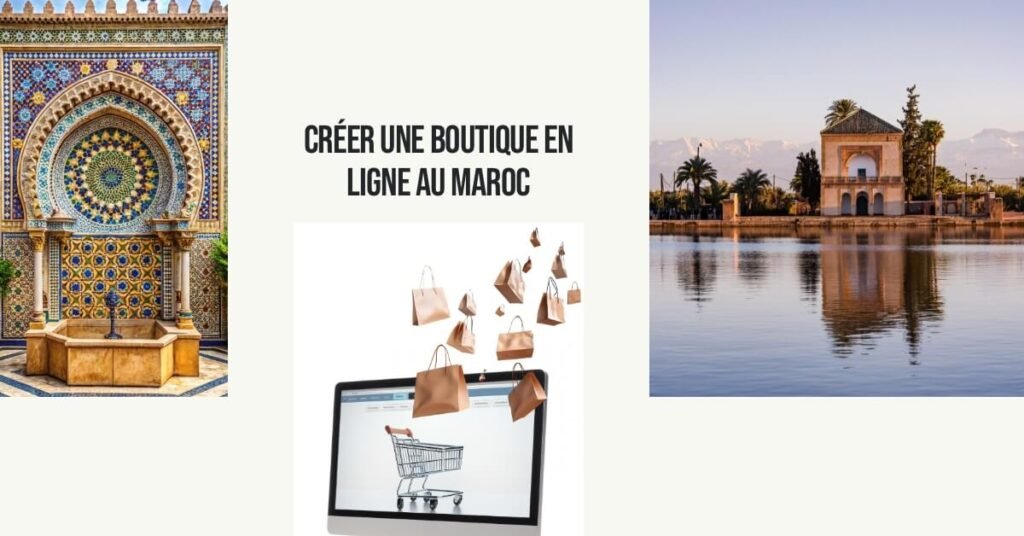
create an online store in Morocco

Why Launch an Online Store in Morocco Today?

A Rapidly Growing Market

Moroccan e-commerce is expanding quickly. Every year, thousands of new consumers make their first online purchases. With the widespread use of smartphones, improved internet connectivity, and the rise of electronic payment methods, the number of online buyers is increasing rapidly. This represents a huge opportunity for local merchants: a market still young but already very promising.

Benefits for All Businesses

Creating an online store in Morocco in 2025 allows your business to be open 24/7 without geographic constraints. While a physical store only reaches local customers, an e-commerce site can attract clients across Morocco and even beyond. It’s also an excellent way to diversify revenue, test new products without taking too many risks, and build a loyal customer base through digital marketing.

Challenges to Consider

Of course, success doesn’t come automatically. Competition is increasing, and consumers are becoming more demanding: they expect fast, user-friendly, secure websites with reliable delivery solutions. Logistics, after-sales service, and trust in online payments are all key points to anticipate. In short, opportunities are enormous, but they favor entrepreneurs ready to invest time and resources in a well-structured e-commerce project.

What Type of Store to Choose?

Showcase Site with Catalog vs. Full E-Commerce Store

There are several approaches to selling online. Some businesses start with a showcase site with a catalog: products are displayed but without online payment functionality. It’s a good compromise to test the market, generate leads (quotes, WhatsApp, phone), and increase visibility.

On the other hand, a full e-commerce store allows customers to purchase directly on the site via a shopping cart and integrated payment system. This is the most professional solution but requires more investment (design, security, logistics).

💡 Tip: If you’re unsure, start with a showcase site and upgrade to a full e-commerce store as your business grows.

Main Platforms Available in Morocco

Choosing the right platform is a strategic decision. Here are the most popular options and their advantages:

WooCommerce (WordPress)

  • Ideal for SMEs and small merchants.
  • Advantages: flexible, wide range of plugins, controlled costs.
  • Limitations: requires good hosting and regular maintenance.

Shopify

  • Turnkey, very intuitive solution.
  • Advantages: quick to deploy, technical support, modern themes.
  • Limitations: monthly subscription, some advanced features are paid.

PrestaShop

  • Robust open-source platform, suitable for larger catalogs.
  • Advantages: advanced customization, active community.
  • Limitations: more complex setup, requires experienced developer.

Custom Solutions

  • Specific development (Laravel, React, etc.).
  • Advantages: fully tailored to your needs.
  • Limitations: higher costs and longer timelines.

Which Choice for Which Project?

  • Small local store (10–50 products): WooCommerce or Shopify.
  • Medium-sized business (50–500 products): WooCommerce or PrestaShop.
  • Ambitious brand or marketplace: PrestaShop or custom solution.

💡 Summary: There’s no one-size-fits-all solution. The right choice depends on your budget, number of products, technical skills, and long-term ambitions.

Concrete Steps to Launch Your Store

Step 1: Validate Your Idea and Study the Market

Before investing in an e-commerce site, validate your project. Analyze demand: who are your potential customers? Which products are they already searching for online? Also study your direct competitors (design, prices, services, delivery) to identify what works and what you could improve.

Step 2: Choose Platform and Domain Name

Your platform (WooCommerce, Shopify, PrestaShop, or custom) should match your needs and budget. At the same time, select a simple, memorable domain name suitable for the Moroccan market. Ideally, choose a local extension (.ma) to strengthen credibility and national SEO.

Step 3: Design & User Experience (UX)

An e-commerce site must be attractive and easy to use. Favor clear design, smooth navigation, and especially a mobile-first experience (over 70% of online purchases in Morocco are via smartphones). Showcase your products with high-quality images and detailed descriptions, and ensure a fast, intuitive checkout process.

Step 4: Integrate Payment Methods

Success also depends on available payment solutions. In Morocco, the most common options are:

  • Bank cards (via CMI): secure and professional method.
  • Digital wallets (Payzone, NAPS, etc.): rapidly growing in popularity.
  • Cash on Delivery: still popular, especially for building trust.

It’s recommended to offer at least two payment options to reassure customers.

Step 5: Organize Logistics and Delivery

A high-performing site without good logistics is doomed to fail. Work with reliable carriers (national post, private companies, urban couriers). Define shipping fees, delivery times, and return policies. Fast, transparent delivery is key for customer retention.

Step 6: Testing, Compliance & Legal Aspects

Before launch, test your store: navigation, cart, payment, automated emails, mobile display. Also ensure compliance with laws (legal mentions, invoicing, CNDP data protection). These details build trust and prevent unpleasant surprises.

Step 7: Launch and Promote Your Store

Once ready, don’t let your store sit idle. Prepare a launch plan:

  • Announcement on social media
  • Targeted advertising campaigns (Facebook, Instagram, Google Ads)
  • SEO optimized from the start
  • Special offers to attract first customers

💡 Success begins in the first weeks: the faster you gain your first satisfied customers, the faster your store grows through word-of-mouth and online recommendations.

Costs: Price Ranges in Morocco (2025)

Launching an online store in Morocco in 2025 can cost between 10,000 MAD and over 100,000 MAD, depending on project scale, platform choice, and desired features. Common scenarios:

“Micro” Budget (10,000 – 20,000 MAD)

Suitable for small merchants testing the market.

  • Use of a pre-designed template (WordPress/WooCommerce or Shopify).
  • Basic features (catalog, cart, simple payment, standard delivery).
  • Minimal customization. Advantage: fast and affordable. Limitation: limited scalability.

“Standard” Budget (20,000 – 50,000 MAD)

Suitable for SMEs wanting a scalable, high-performing store.

  • Customized design aligned with brand identity.
  • Multiple payment integrations (CB, cash on delivery, e-wallet).
  • SEO optimized from the start + integrated blog.
  • Advanced logistics management (order tracking, notifications). Most common range for serious Moroccan e-commerce.

“Premium / Custom” Budget (50,000+ MAD)

For large companies, ambitious startups, or marketplaces.

  • Custom development (Laravel, React, ERP integration).
  • Multi-vendor systems, automation, advanced stock management.
  • Robust infrastructure (dedicated servers, enhanced security). Ideal for high-growth projects and national/international brands.

Recurring Costs

Beyond initial development, budget annually for:

  • Hosting & domain: 2,000 – 5,000 MAD/year
  • Technical maintenance: 5,000 – 15,000 MAD/year
  • Extensions & plugins (Shopify apps, WooCommerce add-ons): 2,000 – 10,000 MAD/year
  • Digital marketing (SEO, advertising, email campaigns): highly variable, often 20% of targeted revenue

Payment Methods and Security

Bank Cards via CMI

The most professional and widespread solution in Morocco remains bank card integration via the Interbank Payment Center (CMI). It accepts Visa, Mastercard, and local cards, instills customer trust, and ensures secure transactions. Drawback: requires a partnership with a bank and some administrative procedures.

Digital Wallets and Local Solutions

Local solutions like NAPS, Payzone, or CIH Pay are growing rapidly. Popular with young consumers familiar with mobile apps, they offer a practical alternative to bank cards and help broaden your audience. Modern e-commerce should offer at least one of these options.

Cash on Delivery (COD)

COD remains very popular in Morocco. Many clients prefer paying in cash upon delivery, especially during their first purchase. Effective for building trust, but there is risk: cancellations or refused parcels. To limit issues, some stores require online deposits or apply delivery fees for unjustified returns.

Security & Compliance

Whatever payment method is chosen, security is central to your e-commerce strategy. Best practices:

  • Install SSL (HTTPS) to secure data.
  • Use PCI-DSS certified payment gateways.
  • Enable two-factor authentication (3D Secure) to reduce fraud.
  • Write a clear privacy policy to reassure customers.

💡 Using multiple payment methods and highlighting security increases conversion while strengthening Moroccan customer trust.

Logistics & Order Management

Choose Reliable Delivery Partners

Logistics is a pillar of e-commerce success. Options in Morocco:

  • Amana / Poste Maroc: reliable national network, suitable for shipping across the country.
  • Private companies (Aramex, Jumia Services, Chrono Diali, etc.): faster delivery times, detailed tracking.
  • Urban couriers: ideal for express city deliveries (Casablanca, Rabat, Marrakech, Tangier…).

💡 Tip: combine two partners to ensure national coverage and express delivery in major cities.

Define Clear Delivery & Return Policies

Online customers want transparency: clear delivery times, visible shipping fees, and simple return conditions. Clear policies reduce cart abandonment and build trust. 💡 Tip: offer free shipping above a certain amount to encourage larger purchases.

Automate Order Management

Use tools to automate:

  • Order confirmation emails or SMS
  • Parcel tracking
  • Real-time stock management

Automation reduces errors, improves customer experience, and lets you focus on store growth.

Customer Service: A Logistics Asset

Logistics isn’t just shipping. Responding promptly to order or return questions is crucial. A responsive service (live chat, WhatsApp Business, hotline) can turn a mediocre experience into long-term loyalty.

Customer Acquisition & Local SEO

Optimize SEO for Your Online Store

An e-commerce site doesn’t generate traffic automatically. To appear in Google results, work on organic SEO.

  • Optimized product pages: clear titles, detailed descriptions, relevant keywords, lightweight high-quality images.
  • Technical structure: simple URLs, fast loading speed, mobile-friendly site.
  • Local SEO: include city or region names (e.g., “online store Casablanca”) to capture local searches.

💡 Example: a fashion store could target keywords like “buy dress online Morocco” or “clothing store Casablanca fast delivery”.

Invest in Paid Advertising (SEA)

Paid campaigns generate qualified traffic quickly:

  • Google Ads: ideal for capturing users already searching for your products.
  • Facebook & Instagram Ads: excellent for targeting specific demographics (age, interests, location).
  • TikTok Ads: especially effective for reaching young audiences in Morocco.

💡 Tip: start with a small budget (e.g., 50–100 MAD/day) and adjust based on results.

Build Customer Loyalty Through Relationship Marketing

Acquiring a customer costs more than retaining one. Once you attract initial buyers, turn them into repeat customers:

  • Email & SMS marketing: promotions, new products, abandoned cart reminders.
  • Loyalty programs: points or exclusive discounts.
  • Personalized customer service: happy customers return and recommend your store.

Leverage Social Media

In Morocco, social media is a powerful e-commerce driver. Post attractive content (product photos, videos, reviews, flash sales). Use WhatsApp Business to manage quick orders and reassure clients.

Concrete Examples & Case Studies

Case 1: Small Fashion Store in Casablanca

A small clothing store in Casablanca launched its first online store to sell collections.

  • Initial budget: 25,000 MAD
  • Platform: WooCommerce on WordPress with ready-to-use theme
  • Features: credit card + cash on delivery payments, product catalog, order tracking
  • Marketing strategy: regular Instagram & Facebook posts, targeted promotions for local holidays Result after 3 months: +150 online orders, increased brand visibility, rapid ROI thanks to WooCommerce + social media.

Case 2: D2C Food Brand in Morocco

A food startup sold products directly to consumers across Morocco.

  • Initial budget: 50,000 MAD
  • Platform: WooCommerce on WordPress with custom design
  • Features: multi-payment options (CB, e-wallet, COD), ERP integration for stock & logistics, SEO optimized from launch
  • Marketing strategy: Google & Instagram Ads targeting major cities, email marketing for retention Result after 6 months: +500 orders/month, better logistics control, 40% retention rate via newsletters and loyalty programs.

Key Lesson

These cases show that regardless of project size, it’s possible to succeed in Moroccan e-commerce by following the right steps: choosing the right platform, reliable payment methods, efficient logistics, and targeted marketing. Even a small, well-used budget can generate tangible results quickly.

Checklist Before & After Launch

Before Launch

  1. Validate your idea and analyze the market.
  2. Choose the right platform (WooCommerce, Shopify, PrestaShop, custom).
  3. Select a clear, local domain (.ma).
  4. Create a responsive, mobile-first design.
  5. Integrate payment methods (card, e-wallet, COD).
  6. Organize logistics and choose delivery partners.
  7. Test the store: navigation, cart, payment, mobile display.
  8. Prepare legal mentions and privacy policy.
  9. Prepare SEO content (product pages, tags, optimized URLs).
  10. Prepare pre-launch marketing plan (social media, ads, promotions).

After Launch

  1. Monitor first orders and customer feedback.
  2. Check payment flow and stock management.
  3. Implement automation for order confirmations and tracking.
  4. Publish marketing and social content regularly.
  5. Track SEO performance and adjust keywords.
  6. Analyze statistics (traffic, conversion rates, average cart).
  7. Send follow-up emails and run loyalty campaigns.
  8. Collect and display customer reviews to build trust.
  9. Adjust delivery and return policies based on feedback.
  10. Plan regular site updates and improvements.

Conclusion

Creating an online store in Morocco in 2025 is a major opportunity to grow your business, reach new customers, and increase your sales. As we have seen in this guide, success relies on several key pillars: choosing the right platform, ensuring payment security, efficient logistics, attractive design, and a solid marketing strategy.

Whether you are a small merchant or an ambitious brand, it is possible to launch your store with a realistic budget and quickly generate tangible results. The steps we have detailed, practical examples, and the checklist provide you with a complete roadmap to turn your idea into a successful and sustainable e-commerce project.

Take Action Today

Don’t leave your project on hold: the Moroccan e-commerce market is booming, and every day counts to get ahead of your competitors.

Request a free quote for the creation of your online store and receive a personalized estimate
Written by:
Youssef Oudghiri Full Stack Developer

Youssef is a full-stack developer passionate about the web and modern technologies. He helps businesses design high-performing, visually appealing, and SEO-optimized websites by combining design, innovation, and user experience.

Morocco

Read more like this:

Website Creation in Morocco in 2025: Comparison of the Best Solutions

In 2025, website creation in Morocco is more accessible than ever thanks to the many platforms available: WordPress, Shopify, Wix, and more. However, choosing the right solution remains a challenge for entrepreneurs, ...

September 15, 2025
Website Creation

Hosting in Morocco in 2025 — Complete Guide to Choosing the Best

Choosing web hosting in Morocco in 2025 is not as straightforward as it seems. Many entrepreneurs and business owners believe there are numerous Moroccan hosting providers with servers located locally. In reality, ...

September 24, 2025
Website Creation

Ready to launch your project?

Bring your ideas to life with a modern, high-performing website designed around your goals.

At AzulWeb, we support you from the very first idea to the final launch.

Request a Free Quote